 You are in our Global Site


Jun 08 , 2026
Modern metal manufacturing relies heavily on efficient, repeatable, and high-volume production methods. Among these, roll forming has emerged as a core technology for producing long metal profiles with consistent dimensions and minimal waste. Industries such as construction, transportation, warehousing, and infrastructure depend on roll forming systems to manufacture roofing panels, purlins, guardrails, shelving components, and many other products.
According to the U.S. Department of Energy, continuous manufacturing processes improve production efficiency and reduce material waste compared to batch-based fabrication methods. Roll forming is one of these continuous production technologies.
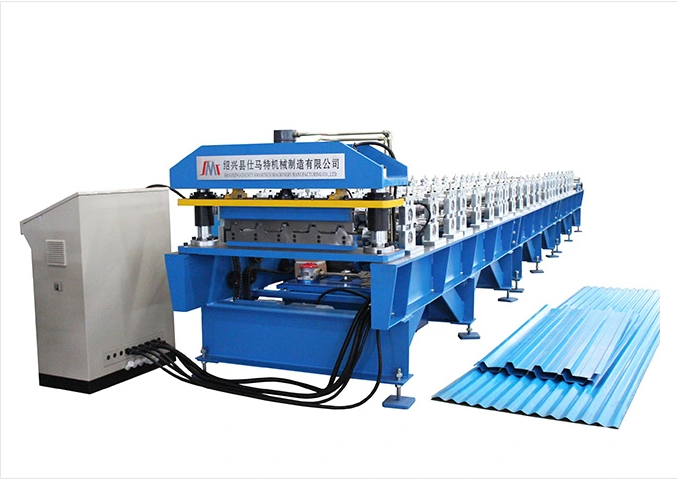
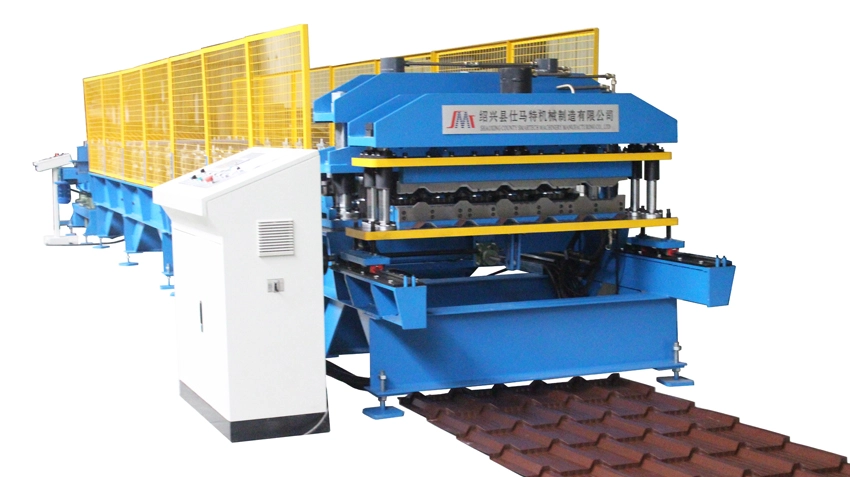
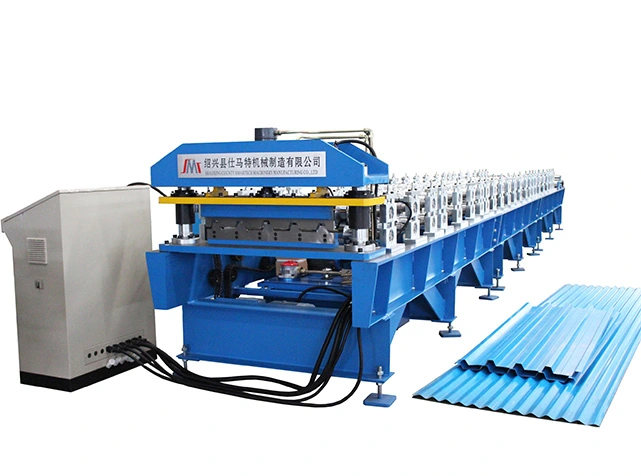
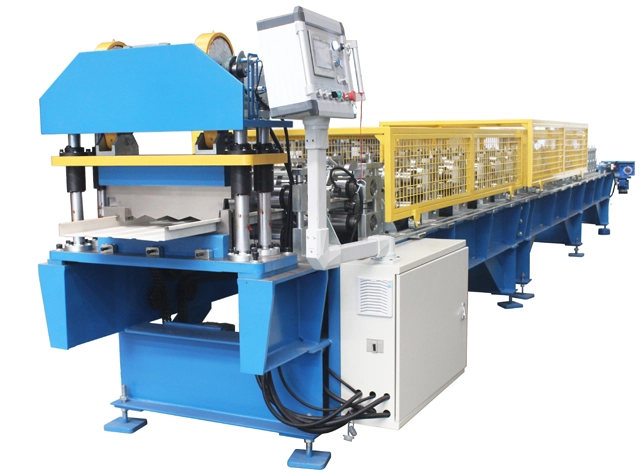
A roll forming machine is an industrial system that continuously bends metal coil or strip into a specific cross-sectional profile through a series of roller stations. Unlike press braking or stamping, roll forming shapes metal gradually across multiple forming stages rather than using a single heavy deformation process. This enables manufacturers to produce long profiles with stable dimensions and smooth surface finishes.
In industrial metal manufacturing, the phrase what is a roll forming machine is often associated with automated coil-fed systems designed for continuous profile production. Common materials include galvanized steel, stainless steel, aluminum, and pre-painted steel coils.
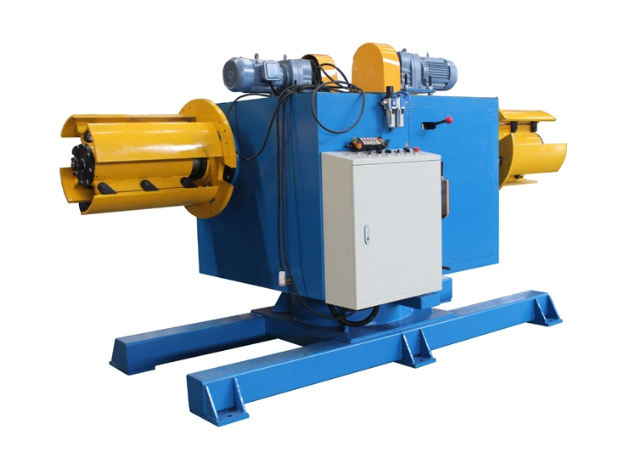
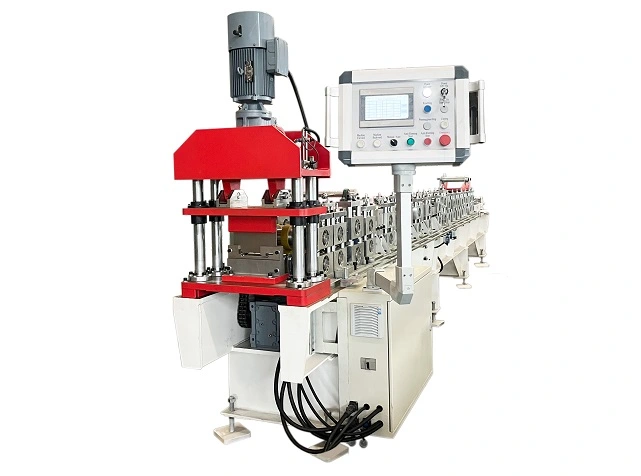
According to Smartech Machinery, a standard roll forming line typically includes a decoiler, feeding device, roll forming stations, cutting system, and electrical controls designed for continuous operation.
The roll forming process begins with loading a metal coil onto a decoiler. The material passes through feeding rollers and enters a series of roll forming stations. Each roller set performs a small portion of the bending process until the final profile shape is achieved. After forming, the product is cut to the required length using an integrated cutting system.
A simplified workflow:
Coil loading
Material feeding
Progressive roll forming
Length measurement
Automatic cutting
Product collection
Modern production lines often use PLC control systems for automation and length accuracy. Some industrial roll forming machines can operate continuously at speeds above 20 meters per minute depending on profile complexity and material thickness.
| Component | Function |
|---|---|
| Decoiler | Holds and feeds metal coil |
| Feeding Device | Guides material into forming stations |
| Roll Forming Stations | Gradually shape the metal profile |
| Cutting System | Cuts products to preset lengths |
| PLC Control System | Manages automation and production parameters |
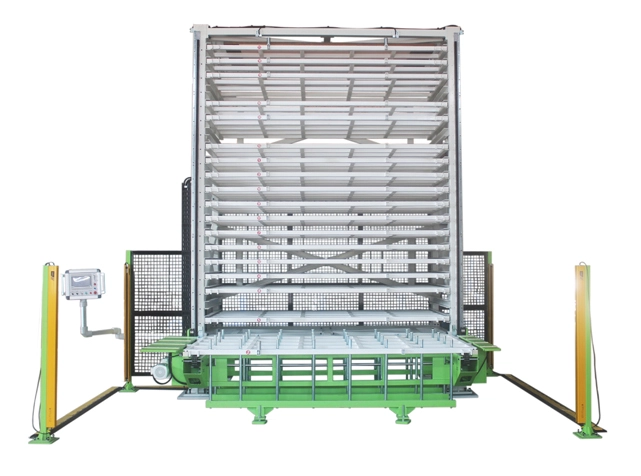
Smartech Machinery offers roll forming systems with additional options such as pre-cutting devices, embossing systems, automatic stackers, and safety guards based on production needs.
Roll forming technology is versatile and used in many industries for continuous profile production. Common products include:
Roofing and wall panels
Metal decking
C/Z/U purlins
Gutters and downspouts
Guardrails
Shelf racks
Metal flashings
For example, Smartech Machinery provides solutions for roofing sheets, drainage systems, structural profiles, and storage components.
| Advantage | Production Benefit |
|---|---|
| Continuous Processing | Higher efficiency and output |
| Consistent Profiles | Improved dimensional accuracy |
| Low Material Waste | Better utilization of metal |
| Automation Compatibility | Reduced manual labor |
| Long-Length Production | Suitable for structural applications |
Continuous roll forming helps manufacturers maintain stable product quality during large production runs. According to the U.S. Environmental Protection Agency, improving manufacturing efficiency and reducing scrap can help lower industrial operating costs.
Selecting a machine depends on production requirements, not only size or speed. Factors to evaluate:
Material type and thickness
Required profile design
Production speed
Level of automation
Cutting and stacking needs
Future scalability
For instance, roofing panel production may prioritize high-speed continuous operation, whereas structural profiles may require heavier-duty roller stations and punching systems. Smartech Machinery offers customizable roll forming solutions for roofing, decking, drainage, and storage applications.
Roll forming machines enable continuous, efficient, and precise production of metal profiles. From roofing panels to structural components, the technology supports high-volume manufacturing with consistent quality and minimal waste. Automation and process optimization further enhance productivity, making roll forming a key solution in modern metal manufacturing.
What is a roll forming machine used for?
Roll forming machines produce continuous metal profiles such as roofing sheets, purlins, gutters, guardrails, and shelving components.
What materials can be processed in roll forming?
Galvanized steel, stainless steel, aluminum, and pre-painted metal coils are commonly used.
Is roll forming suitable for high-volume production?
Yes. Roll forming is designed for continuous production and large manufacturing runs.
What industries use roll forming machines?
Construction, automotive, warehousing, transportation, and infrastructure industries commonly use roll forming systems.
How accurate are roll forming machines?
Modern roll forming machines with PLC controls maintain consistent dimensions and repeatable profiles during continuous production.